Installing solar panels is often framed around savings, tax credits, and energy independence — but one question homeowners rarely think to ask before going solar is:
“What happens to my homeowners insurance once solar is installed?”
The short answer: usually not much — but the details matter. In this article, we’ll break down how solar panels interact with homeowners insurance, what changes (if any) you should expect, and how to protect yourself the right way.
Are Solar Panels Covered by Homeowners Insurance?
In most cases, yes — solar panels are covered under your homeowners insurance policy, though not usually explicitly as their own separate clause.
For grid-tied residential systems, solar panels are typically considered:
- A permanent fixture of the home
- Similar to a roof upgrade, HVAC system, or home addition
That means they usually fall under your dwelling coverage, not a separate policy.
Common events solar is insured against:
- Hail
- Wind damage
- Fire
- Falling trees or debris
- Storm-related roof damage
If a covered event damages your roof and the solar panels, insurance generally treats them as part of the same claim.
Will Solar Panels Increase My Insurance Premium?
This is where homeowners tend to worry — but in reality, premium increases are usually minimal or nonexistent.
Why premiums don’t spike:
- Solar systems don’t significantly increase risk
- Panels are tested for extreme weather
- Installations must meet strict electrical and structural codes
In many cases, homeowners see no change at all after notifying their insurance provider.
That said, there are situations where a small adjustment may occur.
One exception is in the state of FL where larger Tier 2 systems (11.76 kW DC+) are required to carry $1 million in liability coverage so homeowners often purchase a separate umbrella policy.
When Insurance Costs Might Change
Your insurer may slightly adjust your policy if:
1. Your Home’s Replacement Value Increases
If your solar system adds ~$25,000–$35,000 in value to the home, your dwelling coverage may be updated to reflect that.
This typically results in:
- A small increase (sometimes just a few dollars per month)
- Better protection if a total loss occurs
2. You Have a Specialty or Ground-Mount System
Ground-mounted systems, carports, or custom structures may be listed separately on the policy.
These still don’t usually cause major increases — they just require clear documentation.
Do I Need to Notify My Insurance Company?
Yes — and this is important.
Even if your premium doesn’t change, you should:
- Inform your insurer that solar has been installed
- Provide basic system details if requested
This ensures:
- There’s no dispute during a claim
- The full system value is recognized if damage occurs
Most insurers handle this as a simple policy note, not a full rewrite.
What About Leased or PPA Solar Systems?
If your solar system is leased or under a power purchase agreement (PPA), the responsibility is usually split.
Typically:
- The solar company’s insurance covers the panels themselves
- Your homeowners insurance covers the home and roof
This setup can actually reduce homeowner liability, since you don’t own the equipment.
It’s still smart to:
- Ask the solar provider for proof of insurance
- Let your homeowners insurer know solar is present
How Do Claims Work If Solar Is Damaged?
If a covered event occurs (hail, wind, fire, etc.), the claims process usually works like this:
- Roof and solar damage are assessed together
- Panels may be removed temporarily to repair the roof
- Reinstallation is often included in the claim
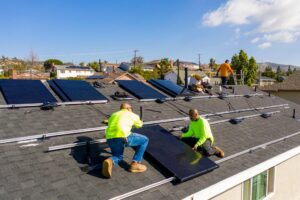
A quality installer will:
- Coordinate with your roofer if needed
- Provide documentation for insurance
- Ensure the system is restored to pre-loss condition
This is where working with experienced installers matters — not all solar companies handle insurance-related situations well.
Does Solar Make My Home Riskier to Insure?
This is a common misconception.
In reality:
- Modern solar panels are Class A fire-rated
- Electrical systems are code-compliant and inspected
- Panels can actually protect parts of the roof from UV exposure
Insurance companies have been insuring solar-equipped homes for decades now. It’s no longer viewed as experimental or high-risk.
Tips to Avoid Insurance Headaches with Solar
Before going solar, make sure you:
- ✅ Work with licensed, insured installers
- ✅ Avoid roof penetrations outside approved flashing systems
- ✅ Document your system value and warranties
- ✅ Notify your insurer after installation
- ✅ Keep installation photos and contracts on file
These steps make future claims smoother and protect you long-term.
The Bottom Line
For most homeowners, solar does not significantly affect homeowners insurance — and in many cases, it doesn’t change it at all.
When handled correctly:
- Solar is covered
- Premium increases are minimal (if any)
- Claims are straightforward
- Liability is not increased
As with any major home improvement, transparency and proper documentation are key.
Thinking About Solar and Want the Full Picture?
Every home, roof, and insurance policy is different.
If you’re considering solar and want help understanding:
- How it impacts insurance
- Whether leasing or owning makes more sense
- What protections you should have in place
Eagle Mountain Solar provides no-pressure, transparent consultations designed to help you make the right decision — not just a fast one.
Visit eaglemountainsolar.com to get a free, expert review of your home and options.
*Disclaimer: This is purely informational. Here at Eagle Mountain Solar, we are not insurance experts or professionals. Always consult with a certified insurance professional for more information regarding your specific policy and solar install.
| |