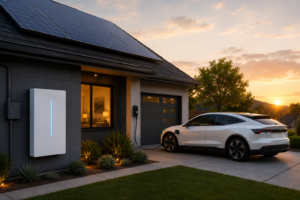
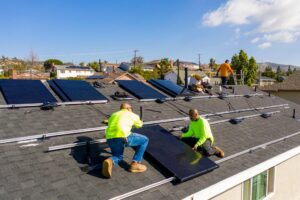
Installing residential solar isn’t just about slashing your electric bills – it can also increase your home’s resale value. Many homeowners considering solar ask, “Will this investment pay off when I sell my house?” The good news is that studies show homes with solar panels often sell for a premium. In fact, the average U.S. home with solar panels sells for about 6.8% more than a comparable home without solar (Source). On a median-priced house, that translates to roughly $20,000–$30,000 of added value just for going solar (Source). Beyond fetching a higher price, solar-equipped homes may even sell faster – one study found they spent 13% less time on the market than non-solar homes (Source).
Of course, how much your home’s value will increase depends on several factors. Let’s break down why solar boosts property value, what influences the exact amount, and how to maximize the return on your solar investment.
How Solar Panels Can Boost Your Home’s Value
Homebuyers are increasingly interested in properties with lower utility costs and sustainable features, making solar panels a major selling point. Here are a few reasons solar-equipped homes often command higher prices:
- Instant Energy Savings for Buyers: A home with an existing solar array offers immediate electricity bill reductions for the new owner. Buyers are willing to pay more knowing they’ll inherit low (or even $0) electric bills each month. It’s like an upgrade that keeps paying off long after purchase.
- Higher Appraised Value: Solar panels are considered a home improvement that can raise your property’s appraised value, similar to a kitchen remodel or an extra bedroom. Appraisers in many markets add value for owned solar systems because of the tangible cost savings they provide.
- Attractive Green Feature: Many modern buyers have an eye on sustainability. Owning a solar home allows them to reduce their carbon footprint, which can make your property more attractive (and thus more valuable) to eco-conscious shoppers.
- Competitive Market Edge: If comparable homes in your area don’t have solar, yours stands out. And if they do have solar, not having it could put your home at a disadvantage. In areas where solar is popular, buyers have come to expect the feature and may pay a premium for a house that already has panels installed.
How much more can you sell for? Recent data suggests around a 4%–7% increase in sale price on average (Source), but it can be even higher in certain regions. For example, homes with solar in Seattle sold for about 9.3% more than those without, topping the list in a 2024 home value study (Source). Even the widely-cited Zillow study from a few years ago noted a 4.1% premium nationally for solar homes. The trend is clear: solar panels do add real dollar value to houses.
Factors That Influence Solar’s Impact on Property Value
Not every solar installation will boost home value by the same amount. Several key factors determine how much value solar will add to your particular home:
- Location and Electricity Rates: Your geographic location plays a big role. In areas with high electricity costs or plentiful sunshine, buyers stand to save more with solar, which typically translates to a larger value boost. Local solar adoption matters too – in solar-friendly states (California, Texas, Florida, etc.), there’s higher demand and appreciation for solar features.
- System Size and Output: A larger system that covers most of a home’s energy needs is more valuable than a small system. A 10-kilowatt system will likely add more value than a 3-kilowatt system, because the potential savings for the homeowner are greater. Ensure your system is sized appropriately for your home’s usage to maximize its appeal.
- Age and Condition of the System: Newer panels with a long remaining warranty and up-to-date technology will impress buyers more than an aging system nearing inverter replacement. If your solar panels and inverter are well-maintained and have many years of life left, they contribute more to your home’s value. (Tip: Keep documentation of your installation, maintenance, and warranties to show interested buyers.)
- Energy Storage (Battery) and Other Upgrades: If your solar setup includes a home battery or other smart energy features, it could further increase appeal. Being able to offer backup power during outages or the ability to time-shift energy use (thanks to a battery) is a selling point, especially in areas prone to blackouts.
- Ownership vs. Lease: How you financed your solar system significantly impacts your home’s resale value – let’s look at this factor more closely below.
Owned vs. Leased Solar Panels: Why Ownership Matters
One crucial consideration is whether your solar panels are owned outright or leased through a third party. An owned solar system (whether you paid cash or financed with a loan) is treated as part of the property you’re selling – which means its full value can be reflected in your sale price. In contrast, with a solar lease or Power Purchase Agreement (PPA), the panels are owned by a solar company and the homeowner pays monthly for using them. This arrangement can complicate a sale: potential buyers might hesitate to take over a lease contract or an extra monthly payment. Also, since the homeowner doesn’t technically own the system, leased panels typically don’t boost the home’s appraised value the same way an owned system would.
Bottom line: To maximize the value increase from solar, it’s best to own your system. If you do have a lease/PPA, be prepared to transfer it to the buyer or buy it out at sale – otherwise, the lease could negate much of the resale benefit. Most homeowners who go solar with Eagle Mountain Solar choose ownership (either upfront or financed) for this very reason: it provides the greatest financial upside long-term, both in energy savings and when selling the home.
Will Solar Panels Raise Your Property Taxes?
It’s natural to wonder if a higher home value from solar panels comes with a catch – namely, higher property taxes. Normally, if your home’s value increases, the assessed value for property taxes can increase too. For example, if solar adds tens of thousands of dollars in value, that could mean a few hundred dollars extra in yearly property tax in some locales. However, many states have smart policies in place to prevent this when it comes to solar improvements.
As of 2025, 29 states offer property tax exemptions for residential solar installations (Source). This means if you live in one of these states, the added value from your solar panels will not increase your property tax bill. For instance, Texas and Florida both provide 100% property tax exemptions for solar panels on homes, so homeowners in those states get the added home equity without any tax penalty. Always check your state and local laws, but chances are good that going solar won’t hurt you on property taxes – in fact, it’s often encouraged via these exemptions as a way to promote clean energy adoption.
Even if you do live in an area without an exemption, remember that the savings on your electric bill will typically far outweigh a modest property tax bump. In other words, you come out ahead either way. And when it’s time to sell, you’re still poised to benefit from a higher sale price due to your solar investment.
Maximizing the Value of Your Solar Investment
To ensure you reap the full financial rewards of adding solar, keep these tips in mind:
- Choose Quality Equipment and Installation: A reliable, high-performance solar system will generate more savings and instill confidence in future buyers. Work with a reputable provider (like Eagle Mountain Solar) that uses quality panels and inverters and offers strong warranties. A 25-30 year panel performance warranty and a solid installation workmanship guarantee will give buyers peace of mind.
- Maintain Your System: Solar panels are low-maintenance, but simple care like keeping them relatively clean and monitoring for any performance issues will help preserve their output (and your savings). A system in peak condition will be more appealing to buyers than one that was neglected.
- Keep Records: Save all documentation related to your solar system – contracts, warranties, maintenance records, and especially your utility savings data. When selling your home, you can present a folder of information to prospective buyers showing the monthly bill reductions and any income from net metering. This transparency can help justify your asking price.
- Highlight the Benefits in Your Listing: When the time comes to sell, make sure your real estate listing (and agent) showcases the solar panels and the benefits they bring. Mention phrases like “solar panels for lower electric bills” or “energy-efficient home with solar.” Educate potential buyers on the advantage they’re getting – not everyone realizes how much solar can save, so spell it out!
By taking these steps, you’ll maximize not only your day-to-day savings but also the resale value boost from solar. It truly is a win-win home upgrade: you save money while living in the home and potentially walk away with more cash when you sell it.
Conclusion: Solar Power Pays Off – Today and Tomorrow
So, does adding solar increase your home’s value? In most cases, absolutely yes. You can enjoy lower utility bills now and likely sell your home for more in the future. With factors like the 30% federal solar tax credit still in effect and rising buyer interest in green homes, 2025 is an ideal time to invest in residential solar. You’ll be joining millions of Americans who are not only cutting energy costs but also building equity through renewable energy improvements.
Ready to make the switch? Contact Eagle Mountain Solar today for a personalized consultation. Our team will design a solar solution tailored to your home and guide you through every step – from installation to maximizing incentives – so you can enjoy a brighter, more valuable home with clean solar energy. Let us help you power your home and future with solar! (How to Best Prepare Your Home for Solar Energy Installation – Eagle Mountain Solar)