Switching to solar energy is an exciting step toward reducing your carbon footprint, lowering energy costs, and increasing your home’s value. But before you can start harnessing the power of the sun, it’s crucial to prepare your home for a solar installation. Taking the time to ready your roof, manage surrounding trees, address electrical panel upgrades, and make other necessary adjustments will help ensure your system’s efficiency and longevity.
Here’s a comprehensive guide to getting your home solar-ready, with insights into how you can bundle many preparation costs into your solar loan.
1. Evaluate and Prepare Your Roof
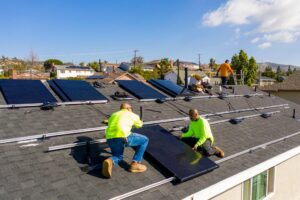
Your roof is the foundation of your solar energy system (unless doing a ground mounted system), so it’s essential to ensure it’s in optimal condition before installation.
Check Roof Age and Condition
Most solar panels last 25 to 40 years, so your roof should be able to support the system for as long as possible. If your roof is nearing the end of its lifespan or has significant damage, consider replacing or repairing it first. Common roof materials like asphalt shingles, metal, and tile are all suitable for solar, but their condition must be sound.
Reinforce Structural Integrity
A solar installation adds weight to your roof. Although most normal roofs can handle this, if placing on a detached structure like a shed, it’s wise to have a structural engineer assess if you suspect any issues. Reinforcements, if necessary, can often be bundled into your solar loan, spreading the cost over time.
Optimize Roof Layout
Your solar provider will assess your roof’s orientation, slope, and shading. South-facing roofs with a tilt between 15 and 40 degrees are ideal, but east- and west-facing roofs can also work with slight efficiency adjustments. Ensure the roof is clear of obstructions that might block sunlight.
2. Trim Trees and Remove Obstructions
Solar panels perform best with unimpeded access to sunlight. Overhanging trees or nearby structures casting shadows can reduce your system’s efficiency.
Tree Trimming
Trim back branches that could shade your panels or drop debris onto them. This not only improves sunlight access but also protects your panels from potential damage caused by falling limbs. If significant tree removal is required, you may be able to include this cost in your solar loan.
Plan for Future Growth
Even if your trees are trimmed now, consider their growth trajectory. Fast-growing species might need more frequent maintenance to prevent shading.
3. Check Your Electrical Panel
Your home’s electrical panel is the hub that connects your solar system to your home and the grid. An outdated panel might not handle the additional power.
Assess Panel Capacity
Most homes require a 200-amp electrical panel for solar installations. If your current panel is rated lower, an upgrade may be necessary. This ensures your home can safely handle the increased power load.
Add Room for Expansion
Consider future upgrades like battery storage or additional panels. Upgrading your panel now to accommodate these expansions can save you time and money later.
Bundle Costs into Solar Financing
Electrical panel upgrades can often be financed as part of your solar loan. Discuss this with your solar provider to simplify budgeting.
4. Inspect and Improve Home Wiring
Your home’s wiring needs to be compatible with the new solar system. Outdated or unsafe wiring should be replaced to ensure efficiency and safety.
Code Compliance
Solar installations must meet local building codes. Having an electrician inspect your home’s wiring beforehand can help identify any updates needed to meet these standards.
Grounding System Check
Proper grounding is essential for electrical safety. Your solar installer will ensure your system is correctly grounded, but it’s helpful to address any existing issues during the preparation stage.
5. Clear Space for Equipment
Solar systems often require additional equipment like inverters, batteries, or monitoring systems. Ensuring you have adequate space for these components will streamline the installation process.
Designate a Location
Inverters and batteries are typically installed near your electrical panel, either inside a garage or on an exterior wall. Choose a spot that’s easily accessible but protected from extreme weather.
Ventilation Considerations
If you’re adding battery storage, ensure the chosen location has proper ventilation and meets local fire safety regulations.
6. Consider Permits and Inspections
Solar installations require permits and inspections to ensure compliance with local regulations.
Work with Your Solar Provider
Most reputable solar companies, like Eagle Mountain Solar, handle permits and inspections for you. However, understanding your area’s requirements can help you ask informed questions.
Homeowner Association (HOA) Rules
If you live in a community with an HOA, check their guidelines on solar installations. Some HOAs have rules regarding panel placement and aesthetics.
7. Plan for Energy Usage Changes
Switching to solar is an opportunity to assess and optimize your overall energy use.
Conduct an Energy Audit
Identify ways to reduce your energy consumption before going solar. Simple changes like switching to LED lighting or upgrading to energy-efficient appliances can lower your overall solar needs, reducing installation costs.
Install a Smart Energy System
Smart home energy systems can help monitor and manage your power usage, ensuring you make the most of your solar investment.
Bundling Preparation Costs into Your Solar Loan
One of the significant advantages of modern solar financing is the ability to bundle preparation costs into your solar loan. This means you can spread the expense of roof repairs, electrical upgrades, tree trimming, and other necessary work over the life of the loan, making it more affordable upfront. Discuss this option with your solar provider to ensure all preparation costs are accounted for in your financing plan.
Final Thoughts: Partnering with the Right Solar Provider
Preparing your home for solar is a crucial step in maximizing the benefits of your investment. While it may seem overwhelming, working with a knowledgeable and transparent solar provider like Eagle Mountain Solar can make the process seamless. From evaluating your roof to handling permits and bundling preparation costs into your financing, we’re here to guide you every step of the way.
Ready to make the switch? Contact Eagle Mountain Solar today for a personalized consultation to determine your home’s solar readiness and start your journey toward sustainable energy.
Photo by Pixabay on Pexels.com|| || renewable-energy|solar|solar-panels|solar-power|sustainability