Solar panels can offer significant savings opportunities for homeowners, but to maximize those savings, you need to implement strategies that ensure your system operates at its highest efficiency and aligns with your energy usage habits. Here’s a detailed guide to saving the most money with solar panels.
1. Optimize Energy Usage with Time-of-Use (TOU) Rates
For homeowners with TOU rate plans, the cost of electricity varies depending on the time of day. Electricity is often cheaper during off-peak hours and more expensive during peak hours. To save the most money:
- Use More Electricity During the Day: Schedule energy-intensive tasks—like running the dishwasher, doing laundry, or charging electric vehicles—when the sun is shining. This allows you to directly use the electricity generated by your solar panels rather than drawing from the grid.
- Invest in Smart Home Technology: Smart plugs, energy-monitoring devices, and programmable thermostats can help you automate energy usage during daylight hours.
- Free-Nights Plans: If you have a free-nights plan in Texas, you would shift most of your load both at night and when your solar production is at its highest.
2. Reduce TDU Delivery Charges in Texas
In Texas, Transmission and Distribution Utility (TDU) charges are part of your electric bill and are typically based on the amount of electricity you draw from the grid. Solar panels can help reduce these charges:
- Self-Consumption: By using the electricity generated by your solar panels in real time during the day instead of importing energy from the grid, you lower the kilowatt-hours (kWh) on which TDU charges are calculated.
- Energy Storage Solutions: Adding a battery to your system can help you store excess solar energy for use during non-sunlight hours, further reducing reliance on the grid and associated TDU charges.
3. Size Your Solar System Properly
An appropriately sized solar system is key to maximizing savings. Over- or under-sizing your system can lead to missed opportunities:
- Analyze Your Energy Usage: Review your past 12 months of electricity bills to understand your average consumption. This will help your solar provider design a system that meets your needs.
- Consider Net Metering Policies: If you live in a state or utility area with net metering, exporting excess energy to the grid can provide credits toward your bill. In contrast, in areas without full retail net metering, it may make more sense to size your system to offset a smaller percentage of your energy needs.
4. Purchase Solar Panels with Cash
Paying for your solar system in cash is one of the most effective ways to save money:
- Avoid Financing Fees and Interest: Loans often include dealer fees or higher interest rates that increase the overall cost of your system.
- Maximize Tax Benefits: Cash purchases allow you to take full advantage of the federal solar investment tax credit (ITC), which can significantly reduce the upfront cost of your system.
- Higher Long-Term Savings: Without monthly loan payments or interest, you’ll start seeing a return on your investment sooner.
5. Ensure Proper Placement of Solar Panels
The location and orientation of your solar panels have a significant impact on their efficiency:
- Maximize Sunlight Exposure: Install panels on south-facing roofs to capture the most sunlight throughout the day. East- or west-facing roofs can also be effective but may require slightly more panels to achieve the same energy production.
- Avoid Shading: Trees, chimneys, or other obstructions can reduce the efficiency of your panels. Trim trees or choose installation sites with minimal shading.
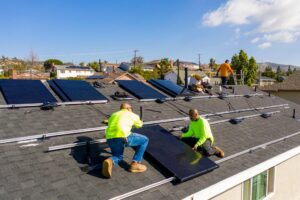
- Professional Assessment: Work with a reputable solar provider to evaluate your roof’s suitability and recommend the best placement.
6. Take Advantage of Incentives and Rebates
Federal, state, and local incentives can significantly reduce the cost of your solar system:
- Federal Solar Tax Credit (ITC): This credit allows you to deduct 30% of the cost of your solar installation from your federal taxes.
- State and Local Rebates: Some utilities and municipalities offer rebates for solar installations, further lowering the upfront cost.
- Property Tax Exemptions: In many areas, the added value of a solar system is exempt from property tax assessments.
7. Monitor and Maintain Your System
To ensure your solar panels operate efficiently:
- Install a Monitoring System: Typically your inverter manufacturer will already have this in place. This allows you to track your system’s performance and identify any issues.
- Schedule Regular Maintenance: While solar panels require minimal upkeep, occasional cleaning and inspection could optimize their performance. This is especially important in areas with dust, pollen, or heavy snowfall.
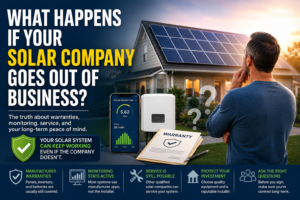
- Warranty Coverage: Most systems come with a 25- to 30-year warranty. Ensure your installer provides robust warranty options to protect your investment.
8. Combine Solar with Energy-Efficient Upgrades
Maximize your savings by reducing overall energy consumption in your home:
- Upgrade Appliances: Energy-efficient appliances use less electricity and can enhance the benefits of your solar system.
- Improve Insulation: Proper insulation and sealing can reduce heating and cooling costs, allowing your solar system to cover a larger portion of your energy needs.
- Switch to LED Lighting: LEDs use significantly less energy than traditional incandescent bulbs.
9. Explore Community Solar Options
If rooftop solar isn’t an option due to roof condition, shading, or ownership status, consider community solar:
- Shared Solar Projects: These allow you to purchase or lease a share of a larger solar array and receive credits on your utility bill for the energy produced.
- Lower Upfront Costs: Community solar often requires less initial investment compared to rooftop installations.
10. Consult a Trusted Solar Provider
Working with a reputable solar company ensures your system is tailored to your needs:
- Custom System Design: A good provider will design a system based on your unique energy usage, roof structure, and local policies.
- Transparent Pricing: Avoid companies that use deceptive advertising or hidden fees.
- Expert Guidance: A knowledgeable solar provider can help you navigate financing options, incentives, and installation details.
Final Thoughts
By implementing these strategies, you can maximize the financial benefits of your solar system while reducing your environmental impact. Whether it’s optimizing energy usage, sizing your system appropriately, or ensuring proper panel placement, each step contributes to greater savings over time.
If you’re ready to explore how solar energy can save you money, Eagle Mountain Solar offers expert consulting and customized solutions tailored to your needs. Contact us today for a free quote and start your journey toward energy independence.
Photo by maitree rimthong on Pexels.com||||||| |||||||