As solar energy gains popularity in Texas, more homeowners are investing in solar panels to reduce energy costs and increase property value. However, installing a solar panel system on your roof may influence your homeowners insurance (HOI) policy. Understanding how solar panels impact your HOI coverage, costs, and potential requirements specific to Texas is important for anyone considering solar energy. This guide will explain what you need to know about homeowners insurance and solar panels, so you can make an informed decision for your home, though it is always advised to consult an actual insurance professional.
Homeowners Insurance Covers Solar Panels
Homeowners insurance (HOI) is designed to protect your home and personal property against various risks, such as fire, theft, and storm damage. When you add solar panels to your home, they are typically considered part of your property, meaning they are generally covered under a standard HOI policy. This coverage applies if the solar panels are permanently installed on your roof and are used solely for your home’s power supply.
However, some specific aspects should be clarified with your insurer to ensure comprehensive protection:
- Policy Inclusions: Solar panels attached to the roof are usually covered under “dwelling coverage,” meaning they are insured similarly to other parts of your home.
- Detached Installations: If you choose to install ground-mounted solar panels or an off-grid setup, it’s worth checking with your insurance provider, as coverage terms may vary for these configurations.
Homeowners Insurance Requirements for Solar Panels in Texas
Texas homeowners insurance policies may have particular stipulations for solar panels due to the state’s frequent severe weather, including hail and high winds. However, there are no statewide requirement such as in FL for example where they need a certain amount of liability coverage when the system is over a certain size. Here are some considerations for Texas residents:
- Weather-Related Endorsements: Some areas of Texas are prone to severe weather, which means policies might require special endorsements to cover events like hail damage. Confirm with your insurer that your solar panels are covered against these types of damage, especially since panels are particularly exposed. It is also important to know that most solar panels are built for high winds and normal hail conditions already.
- Roof Warranty Considerations: Installing solar panels may void some roof warranties. It’s wise to check if your current insurance policy will cover roof damage that might be associated with the installation, as some insurers might adjust rates or coverage based on this factor.
- Utility Interconnection and Net Metering: In Texas, utility providers may have specific interconnection requirements when you connect your solar panels to the grid. Check whether these requirements impact your insurance, as utility policies can affect coverage, especially if additional meters or electrical work are required.
- Building Code and Permit Requirements: Texas has a variety of local regulations for solar installations. Ensure your installation complies with these codes, as non-compliance could impact insurance coverage in the event of damage or malfunction.
How Solar Panels Affect Homeowners Insurance Policy Terms and Rates
Adding solar panels to your home can impact your insurance rates in a few ways. Below are the main considerations:
1. Coverage Adjustment
- Installing solar panels may increase the value of your home, which might necessitate adjusting your dwelling coverage limit. This ensures your policy can cover the cost of replacing your entire solar system if it’s damaged or destroyed.
2. Premium Increases
- Due to the increased value of your home and potential exposure to weather risks, adding solar panels may slightly increase your HOI premium. On average, homeowners might see a premium increase of around 5%-10%, depending on the value of the solar installation and insurer.
3. Liability Coverage
- Some insurers might also assess your liability coverage if your solar panels are particularly large or located in a way that might increase injury risks (e.g., ground-mounted installations or close to high-traffic areas). Make sure your policy includes sufficient liability protection if needed.
4. Roof Coverage Considerations
- Since solar panel installation involves mounting hardware and structural attachments, it’s essential to ensure your roof coverage is up to date. Some insurers might request proof of professional installation to validate coverage.
Steps to Take Before Installing Solar Panels in Texas
To help minimize any complications with homeowners insurance, follow these steps before installation:
- Consult with Your Insurance Provider
Reach out to your insurance agent and inform them of your solar installation plans. Ask about potential coverage adjustments, premium changes, and whether any policy endorsements are required. This conversation will help you get a clear idea of what to expect on your next insurance bill. - Request an Updated Quote
When you’re planning the costs of solar panel installation, request an updated quote from your insurer. A slight increase in premiums should be balanced by the energy savings you gain over time with solar. - Choose a Licensed Installer
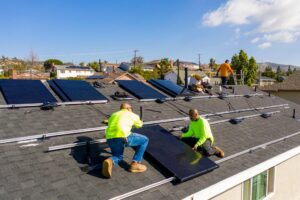
To ensure a smooth claims process if you ever need it, select a licensed and certified solar installer. Many insurers look for installations done by reputable contractors, as this minimizes installation risks and ensures adherence to safety standards. - Review Local Permits and Regulations
In Texas, some cities and counties have specific permit requirements for solar installations. Having the correct permits can impact your insurance policy as well. Failing to obtain the required permits may lead to denial of coverage, as non-compliance with building codes can invalidate parts of your policy. Though any reputable company handles this for you.
Average Rate Increases for Homeowners Insurance with Solar Panels in Texas
Although homeowners insurance premiums may increase slightly with solar panels, the impact is often minor compared to the overall savings solar can offer. Here’s a general overview of rate changes Texas homeowners can anticipate:
- Minor Premium Adjustment: HOI premiums may rise by 5%-10% to accommodate the added value of solar panels. This increase is primarily due to higher replacement costs and potential storm exposure.
- Storm Endorsements: Some Texas insurers may require a wind or hail endorsement, which could add a small cost. In Texas, this may average an additional $50-$100 annually.
- Liability and Roof Coverage Adjustments: Homeowners who want to increase their liability coverage or enhance roof coverage due to panel installation might see minimal increases, usually around 1%-2% of the premium cost.
By speaking with your insurance provider and understanding potential rate changes, you can keep your home and solar investment secure without unexpected costs.
Example of Homeowners Insurance Costs with Solar Panels in Texas
In Texas, the average monthly premium for homeowners insurance is approximately $150-$200. This cost can vary based on factors like location, home value, and the amount of coverage. When you add a solar panel system, insurers may increase your monthly premium slightly to reflect the added value and replacement cost of the panels.
Here’s an example breakdown:
- Average Monthly HOI Cost Without Solar Panels: $175
- Estimated Monthly Increase with Solar Panels: $5-$15
- Average Monthly HOI Cost with Solar Panels: $180-$190
For most Texas homeowners, the increase would amount to an extra $60-$180 per year, which is relatively modest compared to the potential energy savings solar panels can generate. The exact rate increase will depend on the value of the solar system, whether any additional endorsements (like wind or hail coverage) are added, and the specific terms of your insurer.
By planning for a small premium increase in your budget, you can enjoy the benefits of solar energy while ensuring your investment is well-protected against potential risks.
Conclusion
Adding solar panels to your Texas home can offer substantial benefits, from reducing energy bills to increasing home value. However, it’s important to review your homeowners insurance policy before installation to ensure your new investment is fully protected. By understanding potential premium adjustments, coverage updates, and the requirements specific to Texas, you can make sure your solar system is insured against risks while minimizing costs.
At Eagle Mountain Solar, we’re here to answer all your questions about solar and how it interacts with your homeowners insurance. Schedule a consultation with us to explore solar options and learn more about protecting your investment in solar energy.
Also read our guide on “What Do Solar Warranties Cover?” to gain additional insights on what is covered by your warranty vs. your HOI.
Photo by Mikhail Nilov on Pexels.com|||Photo by Mikhail Nilov on Pexels.com |||