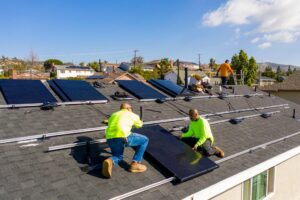
Discover how a Trump victory could impact the solar industry, from policies on net metering and tax credits to potential changes in interest rates.
With Trump’s victory secured, his policies could have significant effects on America’s solar industry. From potential changes to net metering to economic policies influencing interest rates, a second Trump term brings new dynamics for the renewable energy sector. In this article, we’ll look at Trump’s previous policies, assess trends in the solar industry, and explore how his economic focus could potentially influence the future of solar in the U.S.
Trump’s Previous Policies on Solar Energy
To understand what Trump’s second term might mean for solar, it’s essential to consider his track record. Historically, Trump’s administration prioritized economic growth through traditional energy sources like oil and gas, and his policies had both direct and indirect effects on the renewable sector:
- Tariffs on Imported Solar Panels: Trump’s 2018 tariffs on imported solar products aimed to support U.S. solar manufacturing. While this led to initial price increases, it did encourage domestic manufacturing, potentially benefiting the industry long-term.
- Reduced Federal Support for Renewables: Trump’s first administration focused heavily on fossil fuels, and federal incentives for renewables saw minimal expansion. Much of the progress in the solar sector has relied on state-led initiatives, rather than federal mandates or incentives.
Given this history, a second Trump term may maintain support for traditional energy industries, leaving solar growth to continue largely on the strength of state policies, tax credits, and consumer demand. Though he has not appeared to actively oppose solar energy as an option.
Solar Industry Trends Over the Past Four Years
The solar industry has evolved considerably, as well as suffered greatly during the current Biden-Harris presidency. Several key trends have emerged, demonstrating both the resilience of the sector and its ongoing challenges:
- Federal Tax Credit Extended: The federal solar tax credit (ITC) has been extended at 30% through 2032, offering a significant incentive for both homeowners and businesses to invest in solar. This policy is unlikely to change unless Trump actively seeks to repeal it, as bipartisan support has generally kept the tax credit intact.
- High Interest Rates Affecting Solar Growth: Rising interest rates over the past few years have made financing solar installations more costly. High rates contributed to the bankruptcy of several established solar companies, including SunPower. For consumers, this means higher monthly payments on financed systems, which could slow adoption if interest rates stay elevated. Should Trump aim for economic policies favoring lower rates, financing solar could become more accessible, potentially spurring industry growth.
- California’s Net Metering Policy Setbacks: California’s recent net metering policy changes, specifically with NEM 3.0, have introduced less favorable terms for homeowners who want to sell excess solar power back to the grid. These changes have resulted in reduced financial benefits for California solar adopters, making solar a less attractive option for new customers in that state. With states like California shifting policy, continued growth in solar may increasingly depend on the broader economic environment and consumer demand.
How Trump’s Economic Policies Could Affect Solar Energy
Trump’s second term brings an economic focus on reducing regulations and encouraging domestic growth, which could bring both opportunities and challenges for solar energy.
Interest Rate Policies and Solar Financing
Trump has historically advocated for policies supporting economic growth, often through lower interest rates. If his administration prioritizes lower rates, this could make financing for solar installations more affordable, benefiting both residential and commercial solar customers and causing another solar boom.
- Affordable Solar Loans: Reduced interest rates would likely mean more favorable terms for solar financing, lowering monthly payments for homeowners and businesses alike. With affordable financing, solar could become a more accessible option for many. Solar is a financial investment where consumers are looking for a positive ROI. With the recent interest rates, many homeowners don’t see the benefit for many years.
- Commercial Investment in Solar: Businesses, especially those with large-scale energy needs, may be more inclined to adopt solar if financing costs decrease, as reduced loan payments could make solar a more attractive investment.
As the past few years have shown, high interest rates can hurt the solar industry’s growth, particularly when it comes to financing and leasing options. Lower rates would offer a direct benefit to the industry, potentially driving higher adoption rates.
Solar Tax Credits and Domestic Manufacturing
Under Trump’s “America First” agenda, solar policies may continue to focus on encouraging domestic production rather than increasing federal support for renewable energy adoption.
- Stability of the Federal Tax Credit: Although new incentives may be unlikely, the 30% federal tax credit, extended through 2032, is anticipated to remain in place, helping sustain solar adoption rates. This credit has been instrumental in making solar more affordable and is likely to continue under Trump’s second term.
- Incentives for American Manufacturing: Trump’s focus on domestic manufacturing could mean continued support for American-made solar components, potentially driving down prices over time as domestic production scales. This focus could support job growth in the solar manufacturing sector and provide consumers with more affordable and better quality equipment.
Although new federal incentives for solar expansion may be unlikely, supporting American manufacturing aligns with Trump’s broader economic agenda and could have positive implications for the industry.
State Policies and the Role of Net Metering
Without expanded federal mandates, state policies will continue to play a pivotal role in shaping the solar landscape. Net metering policies, in particular, have a significant impact on solar’s appeal to homeowners, yet recent changes indicate mixed outcomes depending on location.
State-Level Net Metering and Solar Incentives
- California’s NEM 3.0: California’s recent shift to NEM 3.0 has reduced the value of net metering benefits, leading to lower compensation for excess solar power fed back to the grid. This shift has made solar less financially attractive for new adopters in the state, highlighting the importance of state policies in solar’s growth.
- Texas and Other Pro-Solar States: Texas and other states with favorable net metering policies continue to incentivize solar by allowing homeowners to offset energy costs with excess solar power. In states with strong net metering programs, solar remains a compelling option, even in the face of federal policy uncertainty.
Given the variability in state policies, solar growth is likely to remain regionally dependent. States with favorable net metering and incentives will continue to see stronger adoption rates, while states with restrictive policies may experience slower growth.
Conclusion
With Trump’s win, the solar industry faces both opportunities and challenges in the coming years. Policies around net metering, interest rates, and manufacturing incentives will likely shape the future landscape, influencing how accessible and affordable solar remains for U.S. consumers. As the federal tax credit remains intact through 2032, increased solar adoption is very likely, especially if Trump’s administration adopts an economic agenda that supports lower interest rates and manufacturing growth.
For those looking to understand how these changes could impact their solar investment, we invite you to schedule a consultation with Eagle Mountain Solar. Our team can provide expert insights on financing options, local incentives, and net metering policies to help you make an informed decision about going solar.
| | energy|renewable-energy|solar|solar-power|sustainability|trump