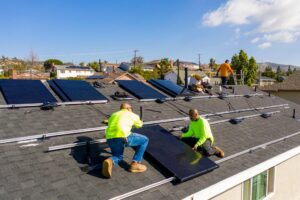
As solar energy becomes increasingly popular, many homeowners are looking to expand their existing solar systems to generate more power and increase their energy savings. Whether your household energy needs have grown, utility rates have changed, or you simply want to maximize your solar investment, adding more panels can be a great option. However, the process isn’t always as simple as it seems. In this post, we’ll explore the pros and cons, technical considerations, and key steps involved in expanding your solar system.
Why Consider Adding More Solar Panels?
1. Increased Energy Demands
Over time, your household energy usage may grow. This could happen for various reasons: perhaps you’ve added new appliances, begun working from home more frequently, or purchased an electric vehicle (EV). If your current solar system no longer meets your needs, expanding it can help you generate enough power to reduce your electricity bill.
2. Maximizing Solar Savings
Adding solar panels can help you produce more energy, reducing your reliance on the grid and maximizing your savings. This is particularly appealing in regions where electricity rates have risen since your original installation. By expanding your system, you can take advantage of solar to offset a larger portion of your energy consumption.
3. Environmental Benefits
Increasing your solar energy production allows you to reduce your carbon footprint even further. If you’re committed to using renewable energy, adding panels will enhance your contribution to environmental conservation.
Pros of Adding Solar Panels to Your Existing System
1. Increased Energy Production
Adding more panels increases the overall energy output of your system, allowing you to offset more of your home’s energy usage. If your goal is to become energy-independent or reduce your grid usage significantly, this is a major benefit.
2. Additional Financial Incentives
Depending on when you install the additional panels, you may still qualify for certain federal, state, or local tax incentives. The federal solar investment tax credit (ITC), for example, might still apply if you expand your system soon after your initial installation.
3. Electric Vehicle (EV) Compatibility
If you’ve added an electric vehicle to your household, your energy needs may have increased significantly. Expanding your solar system to cover this new load can reduce the cost of charging your EV, making the vehicle even more affordable to operate.
Cons of Adding Solar Panels to Your Existing System
1. Utility Application and Rate Changes
In most cases, you’ll need to submit a new application to your utility company when expanding your solar system. This process, known as interconnection, ensures that your new system can safely connect to the grid. In some states, like California, expanding your system might result in changes to your utility rates or net metering agreements. For example, California’s evolving net metering rules (such as NEM 3.0) could mean lower compensation for excess energy you send back to the grid if your expanded system exceeds a certain size.
2. Minimum Panel Requirements
Solar installers often have minimum requirements for the number of additional panels they will install. Adding just one or two panels is generally not cost-effective due to the administrative and installation costs involved. Instead, most installers will recommend adding enough panels (usually 5-6) to make the expansion worthwhile, both financially and in terms of energy output.
3. Financing Complexities
If you financed your original solar system, you should be aware that financing for the expanded portion will likely be handled separately. Solar loans are typically specific to the original installation, and expanding the system won’t merge the payments. You’ll likely have two separate loan agreements: one for the original system and one for the new panels. This can complicate your financial planning, as you’ll need to keep track of multiple payments.
4. Warranty Considerations
Your original solar system and the newly added panels will likely be covered under separate warranties. While this isn’t necessarily a problem, it does add an extra layer of complexity when it comes to future maintenance and repairs. For instance, if something goes wrong, you’ll need to identify whether the issue lies with the older system or the new addition to determine which warranty applies. Be sure to discuss the warranty details with your installer before proceeding with the expansion.
5. Potential Compatibility Issues
If your original system was installed several years ago, compatibility could be an issue. Solar technology, including inverters and panels, evolves rapidly, so your new system may require different equipment. In some cases, you may need to upgrade your existing inverter or install a second inverter to accommodate the expanded system. Your electrical panel may even need an upgrade. This can add to the overall cost of the project. Microinverters tends to be easier to work with.
6. Roof Space Constraints
Before adding more panels, you’ll need to consider whether your roof has enough available space. If your original system was designed to maximize the roof’s sun exposure, you may need to get creative with your expansion. In some cases, homeowners choose to install additional panels on a different section of the roof or even opt for ground-mounted systems if roof space is insufficient.
Steps to Adding Solar Panels to Your Existing System
1. Evaluate Your Current System
The first step in expanding your solar system is to evaluate your current setup. How much energy is your system producing? How much additional energy do you need? A thorough energy audit will help you determine how many additional panels you’ll need to meet your energy goals.
2. Consult a Solar Installer
Next, consult with a reputable solar installer who can assess the feasibility of adding more panels. They’ll check the compatibility of your current system, evaluate your roof’s capacity, and recommend the best approach to increasing your energy production.
3. Review Utility Company Requirements
In most cases, expanding your system will require resubmitting your interconnection agreement to your utility company. Your solar installer will help you navigate this process, but be prepared for potential changes in your net metering rate or compensation for excess power, especially if you’re in a state like California.
4. Get a Quote and Design
Your installer will provide you with a new system design and quote. The quote should include the cost of the additional panels, installation, and any necessary upgrades such as a new inverter. If your system requires significant upgrades, factor these into your overall budget.
5. Permits and Approvals
As with your original installation, adding more panels requires permits from your local government. Your installer will handle this process, but it’s important to account for the time and potential delays involved.
6. Installation
Once permits and approvals are secured, the installation can proceed. Depending on the complexity of the expansion, this could take anywhere from a few hours to a few days.
Conclusion
Adding more solar panels to your existing system can be a great way to meet your growing energy needs, save more on electricity, and increase your home’s sustainability. However, it’s important to carefully weigh the pros and cons before making a decision. Consider potential complications like utility rate changes, financing issues, and warranty separations. By working with an experienced solar installer, you can ensure a smooth expansion that maximizes your energy production and financial benefits.