Thinking about going solar but worried it might not work in colder months or cloudy weather? You’re not alone. Many homeowners assume that solar panels only perform well in hot, sunny climates—but the truth is, solar can work surprisingly well in winter.
Schedule a free solar consultation with Eagle Mountain Solar today to learn how your home can benefit year-round—even in the colder seasons.
Why Winter Solar Worries Are Common (But Mostly Misplaced)
The concern is understandable: winter means fewer daylight hours, more clouds, snow in some regions, and generally less sunshine. That leads many homeowners to wonder whether it’s even worth installing solar if they live in areas that experience long winters.
But what most people don’t realize is that solar panels rely on light, not heat, and they can actually perform more efficiently in cooler temperatures.
How Solar Panels Perform in Cold Temperatures
Solar panels generate electricity using sunlight, not warmth. In fact, solar cells tend to operate more efficiently in colder temperatures. This is because electronics generally perform better when they are cooler, and solar panels are no exception.
In hot climates, the efficiency of a solar panel can drop as it gets too warm. Cold, sunny days actually give you the ideal condition for peak solar performance.
What About Cloudy Days?
It’s true that solar panels produce less power on cloudy days—but they don’t stop working. Even in overcast weather, panels can still produce 10–30% of their normal output. If your system is sized for your annual usage, it will take these seasonal fluctuations into account.
Think about it like this: you don’t stop getting daylight just because it’s cloudy outside. The light is diffused, but it’s still there—and your solar system still captures it.
Seasonal Sunlight Hours vs Annual Production
Solar systems are designed for long-term production, not just daily output. While winter does bring shorter days, it’s only one part of the year. Solar engineers use advanced modeling tools to design your system based on annual energy usage and sun exposure.
That means your summer overproduction can often help make up for slower winter months. In states with net metering or energy buyback plans, that excess energy might even be credited toward your winter usage, depending on the utility provider.
Tips to Maximize Solar Efficiency in Winter
Here are a few ways your solar system can continue to shine even during winter:
1. Install at an Optimal Angle
A correct tilt can help panels shed snow more easily and better capture low-angle winter sunlight.
2. Use Microinverters or Optimizers
Systems with microinverters (like Enphase) or power optimizers are less affected by partial shading, cloudiness, or snow on one panel.
3. Keep Panels Clear (in Snowy Regions)
If you live somewhere with heavy snow, panels should be installed where snow buildup is minimal. Often, the sun will naturally melt snow off because of the heat generated by the dark surface.
4. Monitor Your Production
With modern solar monitoring apps, you can easily track performance throughout the seasons and catch any issues early.
What Kind of Winter Output Should You Expect?
Here’s a rough example: if your system is expected to generate 10,000 kWh a year, you might only get 600–700 kWh in a winter month vs 1,200+ kWh in peak summer. That’s normal—and it’s baked into the system design.
Over the course of the year, the total production still aligns with your needs. This seasonal variation is no different than how your utility bill fluctuates with heating and cooling seasons.
Do You Need a Battery for Winter Solar?
Not necessarily. In most areas, especially those with grid access, you can stay connected and simply draw power when needed. However, a solar battery system may help in the following cases:
- You want backup power during grid outages (especially during winter storms).
- You live in a state without strong net metering and want to store your own excess energy for nighttime or winter use.
- You prefer more energy independence year-round.
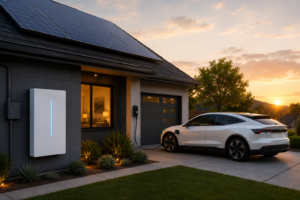
Battery systems like the Tesla Powerwall 3, Enphase 10C, or FranklinWH can store enough power to keep your lights, fridge, and key systems running even during winter blackouts.
Why Winter Is Actually a Great Time to Go Solar
Installing solar in the fall or winter can offer several advantages:
- Faster permitting and installation timelines (installers are often less backed up).
- You can maximize production by spring, when sun hours increase.
- With the federal tax credit still in place through 2025, you can take advantage of significant savings before the credit disappears in 2026 under the newly passed “Big Beautiful Bill.”
Remember: We are not tax experts. Always consult with your CPA or tax advisor before making financial decisions based on incentives.
Final Thoughts: Cold Doesn’t Mean Inactive
Solar panels absolutely do work in winter—and sometimes, they work even better than you’d expect. While output may be lower due to shorter days and cloudy skies, your system is designed to produce enough annually to cover it. And with the right design, tools, and expectations, your solar system can power your home confidently through every season.
Schedule a Free Solar Evaluation Today
Want to see how your home could perform all year long, even in winter?
Schedule a free, no-pressure consultation with Eagle Mountain Solar at EagleMountainSolar.com.
We’ll walk you through your energy usage, local climate, and incentives—and help you decide if solar is the right move.
| |