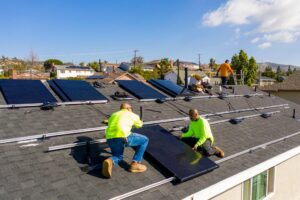
Going solar in Texas can be a smart financial decision—saving you money, locking in predictable energy costs, and adding value to your home. But not every experience is smooth. Some Texans have been left frustrated, confused, or even financially burned after trying to go solar. Why does this happen?
At the heart of many bad solar experiences in Texas is a perfect storm of seasonal sales reps, a deregulated electric market, and a general lack of education around how solar works—especially when it comes to buyback plans and realistic savings expectations.
Let’s break it down so you can avoid these pitfalls and make a confident, informed decision.
1. Seasonal Door-to-Door Reps
Every spring and summer, solar companies across the country flood Texas neighborhoods with seasonal sales teams—often recent college grads or young salespeople looking to make quick commissions. These reps are trained to knock doors, pitch fast, and close deals—not to offer expert energy consulting.
The problem? Many of them lack the training or experience to accurately explain how solar works in Texas. In their rush to hit sales quotas, some reps:
- Claim you’ll “eliminate your electric bill” without explaining buyback rates or seasonal usage
- Say you’ll “get paid” for solar even if your utility doesn’t offer retail net metering
- Promise tax credits without confirming your eligibility
- Push oversized or overpriced systems just to boost their commission
In reality, solar in Texas is not one-size-fits-all, and good consulting takes time, transparency, and local knowledge—not a clipboard and a smile.
2. A Deregulated Electric Market = More Complexity
Unlike many states, Texas has a deregulated electric market, which means homeowners can choose from dozens of electricity providers and plans. That’s great for competition—but tricky when it comes to solar.
Why? Because not all electric plans are “solar friendly.”
Some solar buyers are sold a system under the assumption it will “offset 100%” of their electric usage. But if their current plan doesn’t include solar buyback—or includes buyback at a wholesale rate (like 2–4¢ per kWh)—they may find themselves giving power back to the grid for free or close to it.
That’s a huge gap between what’s promised and what’s delivered.
A seasoned consultant will match your solar system to your utility plan—often recommending a switch to a 1:1 buyback provider like TXU, Chariot, or Green Mountain Energy. But many homeowners never even hear this during the sales process.
3. Overexaggerated Savings and the Hype Trap
Everyone loves the idea of saving money. And solar absolutely can do that in Texas—if it’s set up correctly.
But here’s where things go sideways: Sales reps sometimes present cherry-picked scenarios that don’t match reality. They might show a $250/month electric bill dropping to $0, and a solar payment of $160/month—“instant savings!”
What’s often left out:
- The fixed connection fee (usually $10–15/month) that’s always charged while grid-connected
- The fact that you still need power at night, and you probably will pay small TDU delivery fees then.
- That your summer production and winter usage don’t always line up evenly month-to-month
- Loan dealer fees that inflate the cost of the system behind the scenes
The result? Homeowners expecting a $100/month savings may only see $30–50/month, or in some months, no savings at all. That doesn’t mean solar isn’t working—but expectations were never set properly.
4. A Lack of Education and Long-Term Thinking
The solar decision is long-term investment in most cases. It is not meant to be a get rich quick thing. You’re essentially choosing to generate your own power for the next 25–30 years. But many buyers are rushed into signing without fully understanding:
- How offset percentages affect results (a 50% offset will not eliminate your bill)
- That solar doesn’t work during a blackout unless you have a battery
- What happens if you move or refinance
- How warranties work, and whether the installers are vetted and stable
- Whether leasing or financing is better for their age and financial goals
Solar can still make sense even with these variables—but the lack of clear education leads to frustration later. A good solar provider should walk you through all of these factors before you ever sign.
5. Greed > Guidance
The solar industry in Texas has grown fast—too fast in some ways. Some companies prioritize volume over quality, hiring large sales teams and focusing on lead generation rather than real consulting.
Unfortunately, that opens the door to:
- Deals that are more profitable for the company than the customer
- Overpromising and underdelivering
- Systems that aren’t properly designed for the homeowner’s actual needs
- High-pressure tactics that make people feel like they’re being sold something, not helped
If you’ve ever gotten a solar quote that felt like a used car sale… you’re not alone.
How to Protect Yourself and Have a Good Experience
The good news? You can still have a great solar experience in Texas. Thousands of homeowners do every year. The key is working with the right kind of provider—one who prioritizes education, transparency, and long-term support.
Here’s what to look for:
- No-pressure consultations, not pushy pitches
- A breakdown of your actual energy usage, utility rates, and expected savings month by month
- Clear explanation of solar offset, buyback plans, and your utility provider’s policy
- Multiple options for financing or leasing, with all terms upfront
- A reputable installer with strong warranties and real reviews
- A consultant who explains the “why” behind the system size and price, not just the end number
Final Thoughts: It’s Not That Solar Doesn’t Work—It’s That the Industry Needs to Be Better
Solar energy can absolutely work in Texas—and it can save you thousands over time. But the industry is still young, and it’s filled with inexperienced reps, overzealous sales teams, and a lack of homeowner education.
If you’re thinking about solar, take your time. Ask the tough questions. And work with someone who takes a consultative—not just a sales—approach.
At Eagle Mountain Solar, we believe Texans deserve honest answers, accurate projections, and the best installers and financing options available. If you’re considering solar and want real numbers—not hype—schedule a free consultation and let’s see if it makes sense for your home.
Need help understanding your solar options in Texas?
Get a custom quote and expert advice from Eagle Mountain Solar—no pressure, just real answers.