One of the top concerns for homeowners considering solar energy is: “Can solar panels withstand bad weather?” It’s a fair question—after all, your solar system sits on your roof 24/7, exposed to everything from scorching heat to high winds, hailstorms, and snow.
The good news? Modern solar panels are built to be incredibly durable. In this article, we’ll break down how well solar panels hold up against various weather conditions, what protections are in place, and what to consider if you live in a severe weather zone.
1. How Strong Are Solar Panels?
Solar panels are designed to meet rigorous durability standards before they’re approved for residential use. Most Tier 1 panels are rated to withstand:
- Wind speeds up to 140–160 mph
- Hail impact up to 1″–1.75″ at 50+ mph
- Snow loads up to 5,000 Pascals (over 100 lbs per sq. ft.)
- Temperature swings from -40°F to 185°F
These standards are certified by testing organizations like IEC (International Electrotechnical Commission) and UL (Underwriters Laboratories). High-quality panels also go through additional third-party testing to verify resistance to corrosion, salt mist (for coastal areas), and fire.
2. Are Solar Panels Hurricane-Proof?
In places like southern Texas, Florida, and the Gulf Coast, hurricanes and tropical storms are a major concern. Fortunately, most solar panels are rated to withstand wind speeds of up to 160 mph, which is comparable to a Category 4 hurricane.
How Solar Panels Handle Hurricanes:
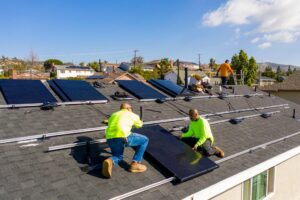
- The racking system is just as important as the panel itself. When properly installed, the mounting hardware anchors panels securely to your roof rafters.
- Panels are tested for uplift pressure caused by high winds.
- In most cases, the roof is more likely to fail than the solar panels themselves.
Pro Tip: Always choose a solar installer (like Eagle Mountain Solar) that uses engineered mounting systems designed for your local wind zone.
3. How Do Solar Panels Hold Up Against Hail?
Hail can do serious damage to cars and roofs—but what about solar panels?
Most Tier 1 solar panels are tested to withstand:
- 1″ hail at 50+ mph
- In some cases, up to 1.75″ hail impact resistance
The front of a solar panel is made of tempered glass, which is much stronger than regular window glass. While severe hail can cause damage, it’s rare—and usually covered under manufacturer warranties and homeowners insurance.
Should You Worry About Hail in Texas or Colorado?
Yes and no. In hail-prone regions, consider:
- Choosing panels with high hail ratings (like REC or Q CELLS)
- Asking about installer track records in your area
- Reviewing your homeowners insurance coverage for solar systems
4. Can Solar Panels Withstand Snow and Ice?
Yes! Solar panels are designed to hold heavy snow loads and continue functioning in winter weather.
How They Handle Snow:
- Most panels are rated for 5400 Pascals, which equals 113 lbs/sq. ft.
- Snow usually slides off the slick glass surface when the sun comes out
- Inverters will pause production temporarily if snow is fully covering the panel, but resume once it clears
Tips for Snowy Regions:
- Use black-framed panels, which warm up faster and shed snow quicker
- Ask your installer about roof pitch optimization for snow shedding
- Avoid climbing on your roof to remove snow—solar panels are built to wait it out
5. What About Lightning and Power Surges?
Lightning strikes are rare, but it’s possible for a nearby strike to cause a power surge that damages electronics—including solar equipment.
How Solar Systems Handle Lightning:
- Most systems are grounded and include surge protection devices
- Microinverter systems (like Enphase) may be more resilient than string inverters due to localized control
- Adding a whole-home surge protector adds an extra layer of safety
Good News: Damage from lightning is typically covered by homeowners insurance and may also be covered under product warranties.
6. Are Solar Panels Fire-Resistant?
Yes. Modern solar panels are tested for fire safety and assigned Class A, B, or C fire ratings—with Class A being the best.
- Most panels used in residential installations today are Class A fire rated
- Proper installation and wire management prevent fire risks
- Inverters and batteries come with their own safety certifications
Important: Always use a licensed, experienced installer—improper wiring or poor racking can cause more fire risk than the panels themselves.
7. What Happens If a Panel Gets Damaged?
Even with their impressive durability, extreme weather can occasionally damage solar panels. If that happens:
✅ Panel warranties typically cover manufacturing defects and sometimes weather damage (depending on terms).
✅ Homeowners insurance usually covers damage from wind, hail, lightning, or fallen trees.
✅ If one panel fails in a microinverter system, the rest of the system continues producing power.
Pro Tip: Eagle Mountain Solar helps customers navigate both warranty claims and insurance paperwork in the rare event of damage.
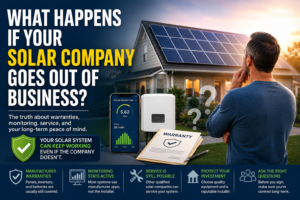
8. Do Solar Warranties Cover Weather Damage?
Sometimes, if you can prove it stemmed from a manufacturing defect. Most solar panel manufacturers offer:
- 25-year performance warranties
- 10-25 year product warranties
- Some offer limited protection against hail or extreme weather (check the fine print)
Additionally, your installer may offer:
- Workmanship warranties (10+ years)
- Roof penetration warranties to cover leaks from mounting hardware
Ask Eagle Mountain Solar for a breakdown of all warranty coverages, including what’s included with your panel brand and inverter choice.
Final Thoughts: Are Solar Panels Weather-Resistant?
✅ Yes—solar panels are built to withstand extreme weather like hail, wind, snow, and heat.
✅ With proper installation and quality equipment, your solar system can last 25+ years through all kinds of climate conditions.
✅ For the rare instances where damage does occur, warranties and insurance typically have you covered.
If you have questions about how solar panels would perform in your region, Eagle Mountain Solar is here to help with transparent answers and top-rated products.
Get a Free Quote Today
Want to find out if your home is a good fit for solar—even in extreme weather conditions?
Visit EagleMountainSolar.com to schedule a free consultation and custom quote.
||||| ||||| home-improvement|renewable-energy|solar-panels|solar-power|sustainability