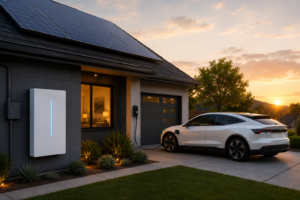
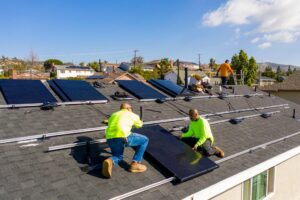
With rising electricity prices and advancing solar technology, many homeowners are asking, “Are solar panels still worth it in 2025?” The short answer: Yes—but it depends on where you live, your electricity rates, and whether you finance or pay cash.
This guide will break down the real costs, savings, and return on investment (ROI) for homeowners considering solar panels in 2025.
1. What Does Solar Cost in 2025?
The average cost of solar panels has remained stable over the past few years, with pricing now ranging between $2.50 – $3.50 per watt typically before incentives.
Average Solar System Prices in 2025 (Before Incentives):
| System Size | Approx. Cost (Before Incentives) |
|---|---|
| 6 kW | $15,000 – $21,000 |
| 10 kW | $25,000 – $35,000 |
| 15 kW | $37,500 – $52,500 |
Key Takeaway: Prices remain consistent with 2024, but financing and incentives can reduce upfront costs significantly.
2. What Solar Incentives Are Available in 2025?
The 30% Federal Solar Tax Credit is still available in 2025, reducing the cost of a solar system by nearly one-third.
✅ 30% Federal Tax Credit – Covers 30% of your solar installation cost, including panels, inverters, and batteries.
✅ State & Local Incentives – Some states and utilities offer rebates or property tax exemptions for solar.
✅ Solar Buyback Programs – Many utilities compensate homeowners for excess solar energy sent back to the grid.
Important: Homeowners must have enough taxable income to claim the federal tax credit. If you don’t, a solar lease or PPA may be a better option.
3. How Much Can You Save with Solar in 2025?
The biggest reason homeowners go solar is to reduce or eliminate their electricity bill.
Factors Affecting Solar Savings:
✅ Your electricity rates – Higher rates = higher savings with solar.
✅ Your solar offset – A system covering 80-100% of your usage maximizes savings.
✅ Your financing method – Paying cash provides the best long-term ROI.
Example: Solar Savings in Texas vs. California
| State | Avg. Electric Rate | Monthly Bill (Before Solar) | Monthly Bill (After Solar) |
|---|---|---|---|
| Texas | 14¢/kWh | $150 – $250 | $10 – $30 |
| California | 29¢/kWh | $250 – $400 | $10 – $50 |
Key Takeaway: The higher your electricity rates, the more you save with solar. California homeowners save more per month, but Texas homeowners can also reduce bills significantly—especially with solar-friendly buyback plans.
4. How Long Does It Take to Break Even on Solar?
Solar Payback Period by State (Estimates for 2025)
| State | Average Payback Period |
|---|---|
| Texas | 6 – 9 years |
| California | 4 – 7 years |
| Florida | 7 – 10 years |
| Maryland | 6 – 9 years |
Quick Fact: The national average payback period for solar in 2025 is 6 to 10 years, depending on electricity rates and incentives.
5. Is It Better to Lease or Finance Solar in 2025?
Some homeowners finance solar with $0 down loans, while others prefer leasing or Power Purchase Agreements (PPAs) to avoid debt.
Financing vs. Leasing: What’s Best in 2025?
| Option | Pros | Cons |
|---|---|---|
| Solar Loan (Ownership) | ✅ 25+ years of savings ✅ Increases home value ✅ Eligible for tax credits | ❌ Monthly loan payments ❌ Responsible for maintenance |
| Solar Lease/PPA | ✅ $0 upfront cost and 0 debt ✅ No maintenance required | ❌ No tax credit benefits ❌ Savings may be lower |
Best Choice: If you qualify for the 30% tax credit, financing is the best option. If not, a lease or PPA may make more sense.
6. Will Solar Panels Work During a Blackout?
Most grid-tied solar systems DO NOT work during a power outage unless you have a solar battery.
✅ With a battery: Your home can store solar energy for emergency use.
❌ Without a battery: Your system shuts off during grid outages for safety reasons.
Best Battery Options in 2025:
- Tesla Powerwall 3 – Best for whole-home backup.
- Enphase IQ Battery – Best for modular, expandable storage.
- LG Chem Resu – Good budget option.
7. Is Solar a Good Investment for Homeowners in 2025?
Here’s a quick checklist to see if solar is a good investment for you in 2025:
✅ Your electricity bill is over $100/month.
✅ Your state has solar-friendly utility plans.
✅ You plan to stay in your home for 5+ years.
✅ You have enough roof space and sun for panels.
✅ You qualify for financing or the federal tax credit.
Key Takeaway: If you meet most of these conditions, solar is a great investment in 2025!
Final Verdict: Should You Go Solar in 2025?
For most homeowners, solar is still a smart investment in 2025 because:
✅ Electricity prices continue to rise, making solar more valuable.
✅ The 30% tax credit is still available.
✅ The payback period is 6-10 years, after which you get free energy.
✅ Financing and leasing options make solar affordable with $0 down.
If you’re considering solar, the best next step is getting a customized quote to see how much you can save.
Get a Free Solar Quote Today!
Visit EagleMountainSolar.com for a personalized solar estimate and see how much you can save.
| | renewable-energy|solar|solar-panels|solar-power|sustainability