As the adoption of solar energy continues to grow, one of the most common questions among potential buyers is: “How long do solar panels last?” Understanding the lifespan of solar panels is crucial, whether you’re a homeowner considering an installation or a business looking to invest in sustainable energy. In this post, we’ll explore the factors that influence the longevity of solar panels, typical warranties, and what you can do to maximize their lifespan.
If you are looking to speak with a professional regarding solar at your home, inquire here.
1. Understanding the Average Lifespan of Solar Panels
Most solar panels are designed to last at least 25 and 30 years. This doesn’t mean they suddenly stop working after this period, but rather that their energy production will gradually decrease. The industry standard is that after 25 years, a solar panel should still be operating at around 85% of its original efficiency.
This degradation rate, often called the “annual degradation rate,” is typically around 0.5% to 1% per year. So, after 25 years, a panel operating with a 0.5% degradation rate would be at about 88% of its original capacity. It’s important to note that the actual lifespan of your solar panels can vary based on several factors including the type of panel, installation quality, and environmental conditions.
2. Types of Solar Panels and Their Lifespan
There are three main types of solar panels: monocrystalline, polycrystalline, and thin-film. Each type has different characteristics that can affect its lifespan.
- Monocrystalline Solar Panels: These panels are known for their high efficiency and durability. Made from a single, pure silicon crystal, they typically have a longer lifespan and are less susceptible to degradation. You can expect monocrystalline panels to last upwards of 25-40years.
- Polycrystalline Solar Panels: These are made from multiple silicon crystals and are slightly less efficient than monocrystalline panels. However, they are also quite durable and can last for 25 years or more, with a similar degradation rate.
- Thin-Film Solar Panels: Thin-film panels are made by depositing one or more thin layers of photovoltaic material onto a substrate. They are typically less efficient and have a shorter lifespan, generally around 10-20 years. However, advancements in technology are improving their durability and efficiency.
The choice of panel type will depend on factors like budget, available space, and the desired energy output. For those looking for longevity, monocrystalline panels are often the best choice.
3. Typical Solar Panel Warranties
Warranties are a key factor in determining the longevity and reliability of your solar investment. Most solar panels come with two types of warranties:
- Performance Warranty: This warranty guarantees that the solar panels will not degrade beyond a certain point over a specified period, typically 25 years. For example, a common performance warranty might guarantee that the panels will still operate at 80% of their original capacity after 25 years.
- Product (or Equipment) Warranty: This covers defects in materials or workmanship and typically lasts between 10 to 25 years. If the panels fail due to a defect within this period, the manufacturer will repair or replace them.
Understanding the details of these warranties is crucial, as they can offer peace of mind and protect your investment over the long term. When comparing different solar panel brands, it’s worth considering not just the length of the warranty but also the specifics of what is covered.
4. Factors That Affect Solar Panel Longevity
Several factors can influence the lifespan of your solar panels:
- Weather Conditions: Solar panels are designed to withstand a variety of weather conditions, but extreme weather can impact their longevity. Hail, heavy snowfall, strong winds, and extreme heat can cause physical damage or degrade the efficiency of the panels over time. However, most high-quality panels are tested to withstand these conditions and are built with durable materials to protect them.
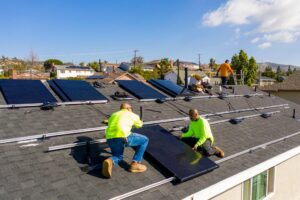
- Installation Quality: The way your solar panels are installed can significantly affect their lifespan. Poor installation can lead to issues like water ingress, which can damage the panels. It’s crucial to hire experienced and certified installers who follow best practices to ensure your panels are secure and properly angled to maximize their exposure to sunlight.
- Maintenance: Solar panels require very little maintenance, but it’s still important to keep them clean and free of debris. Regular inspections can help identify potential issues like loose connections or shading from overgrown trees that could affect the panels’ efficiency and lifespan.
- Environmental Factors: Panels installed in areas with high levels of pollution or saltwater (coastal areas) might degrade faster due to the harsher environmental conditions. Choosing panels that are rated for durability in specific conditions can help mitigate this.
- Panel Quality and Technology: The quality of the materials used in the manufacturing process and the technology behind the panels play a significant role in their longevity. Panels from reputable manufacturers with proven track records tend to last longer and perform better over time.
5. Extending the Lifespan of Your Solar Panels
While solar panels are designed for durability, there are steps you can take to extend their lifespan:
- Regular Cleaning: Dust, dirt, and debris can accumulate on the surface of the panels, reducing their efficiency. Depending on your location, you might need to clean your panels once or twice a year. Automated cleaning systems are available for larger installations, but for residential systems, a simple rinse with water and a soft brush can be effective.
- Timely Inspections: Regular inspections by a professional can help identify and rectify small issues before they become major problems. This includes checking the mounting hardware, wiring, and the condition of the panels themselves.
- Monitoring Systems: Many modern solar systems come with monitoring systems that allow you to track the performance of your panels in real-time. By keeping an eye on the data, you can quickly spot any drops in efficiency that could indicate an issue.
- Choosing Quality Products: Investing in high-quality panels and inverters can reduce the likelihood of early failures. Researching manufacturers’ reputations and opting for those with strong warranties can offer additional security.
6. What Happens When Solar Panels Reach the End of Their Lifespan?
Even after 25-30 years, solar panels don’t just stop working—they simply become less efficient at converting sunlight into electricity. When your panels reach the end of their lifespan, you have a few options:
- Repowering: This involves replacing the old panels with newer, more efficient ones while keeping the existing infrastructure, such as the mounting system and inverters.
- Recycling: Solar panels contain valuable materials like glass, aluminum, and silicon, which can be recycled. As the solar industry grows, recycling programs are becoming more prevalent, making it easier to dispose of old panels responsibly.
- Continuing Use: If the panels are still functioning adequately and meeting your energy needs, you can continue using them beyond the warranty period, understanding that their efficiency may decline.
*Lease options give you the ability to have your system simply replaced after the standard 25 year term which is nice because right as they are starting to reach the end of their life they are replaced with new panels or removed at no cost. Meanwhile you reaped the savings over the 25 years with no debt or liability
Conclusion
Solar panels are a long-term investment that can provide clean, renewable energy for decades. By understanding the factors that affect their lifespan, such as the type of panel, installation quality, and environmental conditions, you can make informed decisions to maximize their durability and efficiency. Coupled with a good warranty and proper maintenance, solar panels can serve you well beyond their expected lifespan, delivering significant savings and environmental benefits.
Whether you’re considering solar for your home or business, knowing how long solar panels last and how to care for them will help you get the most out of your investment. With the right approach, your solar panels can continue to generate energy efficiently for many years to come.
If you would like an estimate for high quality solar panels and a 30 year warranty, reach out to us at Eagle Mountain Solar to sit down with one of our expert consultants here!
Photo by Kindel Media on Pexels.com| | energy|renewable-energy|solar-panels|solar-power|sustainability