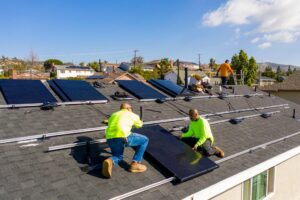
As the energy landscape shifts toward renewable sources, many homeowners in Texas are asking, “Does it make sense to go solar?” Given the state’s vast size, diverse climate, and unique energy grid, the decision to install solar panels isn’t one-size-fits-all. However, for many Texans, going solar offers substantial financial and environmental benefits. This post explores the factors that make solar energy a smart choice in Texas and helps you determine if it’s the right move for your home.
The Solar Advantage in Texas: Sunshine Abundance
Texas is known for its wide-open spaces, big skies, and, most importantly, abundant sunshine. The state receives an average of over 200 sunny days per year, with cities like El Paso, Austin, and San Antonio enjoying even more. This high solar irradiance makes Texas one of the most favorable states for solar energy production. In fact, Texas ranks second in the nation for solar potential, just behind California.
Solar panels convert sunlight into electricity, so the more sun your panels receive, the more energy they can produce. In Texas, the high number of sunny days means that your solar panels will be able to generate substantial amounts of electricity year-round, significantly offsetting your electricity bills.
Financial Incentives: Saving Money with Solar
One of the primary motivations for going solar is the potential for significant savings on energy bills. In Texas, the high cost of electricity, coupled with the state’s generous solar incentives, makes solar a financially sound investment.
- Federal Solar Tax Credit (Investment Tax Credit, ITC): Currently, the federal government offers a 30% tax credit for the cost of installing solar panels. This credit can be applied to your federal tax liability, reducing the overall cost of your solar system. However, this incentive is set to decrease in the coming years, so acting sooner rather than later can maximize your savings.
- State and Local Rebates: While Texas does not have a statewide solar rebate program, many local utilities and municipalities offer rebates and incentives to encourage solar adoption. For instance, Austin Energy and CPS Energy provide significant rebates to homeowners who install solar panels.
- Net Metering Programs: Although Texas does not have a statewide net metering policy, many utilities offer net metering or similar programs that allow you to sell excess electricity back to the grid. This can further reduce your energy costs by crediting your account for the surplus energy your panels produce.
- Property Tax Exemptions: Texas law provides a property tax exemption for the increased value of your home due to the installation of solar panels. This means that while your home’s value may increase due to the addition of a solar energy system, your property taxes won’t.
Energy Independence: A Reliable Option in an Unpredictable Grid
The Texas energy grid, managed by the Electric Reliability Council of Texas (ERCOT), has faced significant challenges in recent years. From the 2021 winter storm that left millions without power to the strain of summer heatwaves, the reliability of the grid has been called into question. Solar panels, particularly when paired with battery storage, can provide a measure of energy independence.
By generating your own electricity, you reduce your reliance on the grid and gain a backup power source in case of outages. Solar energy can power essential systems in your home, such as heating, cooling, and refrigeration, even when the grid goes down. For many Texans, this reliability is an invaluable benefit, particularly in areas prone to extreme weather events.
Environmental Impact: Reducing Your Carbon Footprint
Switching to solar energy is one of the most effective ways to reduce your carbon footprint. Traditional electricity generation in Texas relies heavily on fossil fuels, which emit greenhouse gases and contribute to climate change. Solar energy, on the other hand, produces zero emissions during operation, making it a clean and sustainable alternative.
By going solar, you can significantly reduce your household’s carbon emissions. According to the U.S. Environmental Protection Agency (EPA), the average American home with solar panels can reduce its carbon footprint by about 3 to 4 tons of carbon dioxide annually. Over the lifespan of your solar panels, this reduction can be equivalent to planting thousands of trees or taking multiple cars off the road.
The Future of Solar in Texas: Growth and Innovation
The solar industry in Texas is rapidly growing, with new technologies and innovations making solar energy more accessible and affordable than ever before. Texas is home to numerous solar companies, large-scale solar farms, and research institutions dedicated to advancing solar technology.
- Solar Technology Advancements: Innovations in solar panel efficiency, energy storage, and installation methods are making it easier for homeowners to go solar. High-efficiency panels can generate more electricity in a smaller space, while improved battery storage options allow you to store excess energy for use during cloudy days or at night.
- Community Solar Programs: For those who may not have the ideal roof or space for solar panels, community solar programs offer an alternative. These programs allow multiple households to share the benefits of a single solar installation, providing access to solar energy without the need for individual panels.
- Increased Accessibility: The cost of solar panels has decreased significantly over the past decade, making solar energy more accessible to a broader range of homeowners. Additionally, many solar companies offer financing options, including solar loans and power purchase agreements (PPAs), that allow you to go solar with little or no upfront cost.
Considerations Before Going Solar: What You Need to Know
While the benefits of solar energy are clear, it’s important to consider several factors before making the switch.
- Roof Condition and Orientation: The condition and orientation of your roof play a crucial role in the efficiency of your solar panels. A south-facing roof with minimal shading is ideal for solar energy production. Additionally, your roof should be in good condition and able to support the weight of the panels.
- Energy Usage: Assess your household’s energy usage to determine how much of your electricity needs can be met with solar panels. A solar company can conduct a detailed analysis of your energy consumption and recommend a system size that meets your needs.
- Financing Options: Explore the different financing options available to you. While purchasing your solar panels outright provides the most long-term savings, options like solar loans or leasing can make solar more affordable upfront.
- Local Regulations and HOA Rules: Check with your local municipality and homeowners association (HOA) to ensure compliance with any regulations or guidelines related to solar installations. While Texas law generally favors solar access, some communities may have specific requirements.
Conclusion: Making the Solar Decision in Texas
In conclusion, going solar in Texas makes a lot of sense for many homeowners, thanks to the state’s abundant sunshine, financial incentives, and the increasing need for energy independence. Whether you’re motivated by cost savings, environmental impact, or energy security, solar energy offers a compelling solution.
However, the decision to go solar should be based on a careful evaluation of your home’s specific characteristics and your energy needs. By working with a reputable solar company, you can receive a customized solar solution that maximizes your benefits and ensures a smooth transition to renewable energy.
If you’re ready to explore the potential of solar energy for your Texas home, contact our team today at Eagle Mountain Solar for a free consultation and discover how much you could save by going solar.
Photo by Terrance Barksdale on Pexels.com| | renewable-energy|solar|solar-panels|solar-power|sustainability