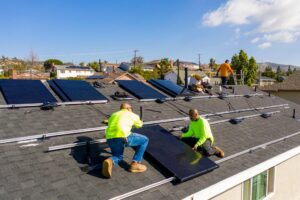
Installing solar panels is an exciting step toward energy independence and sustainability. But before your solar array can be mounted, there’s an essential step in the process that ensures your home or business is fit for solar power: the solar site survey. This step determines the feasibility and effectiveness of your solar installation. In this post, we’ll dive deep into what a solar site survey is, what it involves, and why it’s crucial to the success of your solar panel system.
What is a Solar Site Survey?
A solar site survey is a comprehensive assessment of your property conducted by solar experts to determine the optimal placement, system size, and other factors that affect the performance of your solar panel installation. The goal is to ensure that the solar energy system designed for your home or business will operate efficiently, providing maximum energy savings and return on investment (ROI).
A proper site survey helps you and your solar installer make informed decisions about your installation. It identifies potential challenges that might affect system performance, such as shading, roof space, and structural integrity, allowing adjustments to be made before installation begins.
Why is a Solar Site Survey Important?
The solar site survey is critical because it sets the foundation for a successful solar installation. Without it, your solar panels may underperform or even malfunction. Here are some key reasons why a solar site survey is important:
- Maximizes Solar Efficiency: By evaluating the sun exposure and positioning of your roof or property, the survey ensures that your panels will generate the maximum amount of energy.
- Ensures System Suitability: Every property is different. The survey helps determine if your home or business can support solar panels, considering factors like roof condition, electrical components, space, and available sunlight.
- Identifies Shading Issues: Trees, buildings, and other obstructions can cast shadows on your solar panels, reducing their efficiency. The survey identifies and helps mitigate these issues.
- Customizes System Design: The survey provides detailed information that allows the solar installer to customize the system to your specific needs, including panel layout, inverter selection, and overall system size.
- Helps with Permits and Approvals: Local building codes and regulations vary, and a site survey helps streamline the permitting process by ensuring compliance with local laws.
What Does a Solar Site Survey Involve?
When you schedule a solar site survey, here’s what you can expect during the process:
1. Initial Consultation
Before the site visit, your solar provider will typically conduct an initial consultation. This is when you’ll discuss your energy goals, current electricity usage, and any concerns or preferences you may have. You may be asked to provide a copy of your recent electricity bills to assess your typical energy consumption. This helps the solar installer design a system that will meet your specific needs and get you an accurate pricing estimate.
2. Property and Roof Assessment
During the survey, an expert technician will visit your property to perform a detailed evaluation of your roof or ground space, depending on where you plan to install the solar panels. They will need access to the roof, property, electrical panel, and attic (if applicable). Key aspects of this assessment include:
- Roof Condition and Strength: The roof must be strong enough to support the weight of solar panels. The technician will check for any signs of wear, leaks, or structural issues.
- Roof Orientation and Tilt: The direction your roof faces (south-facing roofs in the northern hemisphere) and its angle are crucial for maximizing sunlight exposure. The optimal tilt is generally between 15 to 40 degrees.
- Available Space: The surveyor will measure the usable area on your roof or land to determine how many solar panels can be installed.
3. Shading Analysis
Solar panels need as much direct sunlight as possible. During the site survey, the technician will assess any nearby obstacles like trees, chimneys, or buildings that might cast shadows on your panels throughout the day. They may use specialized tools like a Solar Pathfinder or SunEye to map out shading patterns and determine how much sunlight your property receives during different times of the year.
4. Sunlight Exposure Measurement
Using solar irradiance meters or other tools, the technician will measure the amount of sunlight your location receives. This helps determine the expected energy output of the system.
5. Electrical System Assessment
A part of the survey involves evaluating your home’s electrical system. The technician will check your electrical panel to see if it can handle the additional power from the solar system or if upgrades are needed. They will also inspect where the inverters and other components of the solar system can be installed.
6. Documenting the Survey
Once the physical assessment is complete, the technician will document everything, including photos, roof measurements, and sunlight data. These records will be used to create a custom design for your solar installation and to submit for permitting and approval from your local authorities.
What Happens After the Solar Site Survey?
After the site survey, the information gathered is used to design your solar energy system. Here’s what happens next:
- System Design: Using the survey data, your solar installer will create a detailed design for your solar panel array, taking into account roof space, shading, and sunlight exposure. This design will show the layout of your solar panels and the expected energy output.
- Cost Estimate: Along with the final system design, you may receive an updated cost estimate, which includes any additional worked deemed necessary for the home to go solar. At Eagle Mountain Solar, we ensure you understand every part of the proposal so there are no surprises later.
- Permits and Approvals: Your installer will submit the necessary documents to local authorities for permits and, in some cases, approval from your homeowners’ association (HOA). The site survey helps ensure this process goes smoothly since the system is designed to comply with all local regulations.
- Installation: Once the permits are approved and you give the green light, the installation of your solar energy system can begin.
How to Prepare for Your Solar Site Survey
To make sure your solar site survey goes smoothly, there are a few steps you can take to prepare:
- Clear Roof and Property Access: Make sure the technician can safely access your roof and any other areas that need to be assessed such as the attic or electrical panel.
- Trim Trees and Bushes: If possible, trim back any trees or bushes that might affect the technician’s ability to assess shading.
- Have Someone Over the Age of 18 Present: Most installers will permit anyone over the age of 18 to be present, not necessarily the homeowner.
- Plan for About 90 minutes: Most surveys will take anywhere from 1-3 hours depending on the size of the home and scope of the project so plan accordingly.
Conclusion
A solar site survey is a critical step in the solar installation process that ensures your system will be safe, efficient, and tailored to your specific energy needs. At Eagle Mountain Solar, we prioritize this survey to provide you with the best possible solar energy system, maximizing both savings and performance.
If you’re ready to take the next step toward a clean energy future, contact Eagle Mountain Solar today to schedule your solar site survey!
||| ||| energy|renewable-energy|solar-panels|solar-power|sustainability