When people think about going solar, the first reason that comes to mind is often cost savings. And while it’s true that solar can reduce or even eliminate your electricity bill, not everyone who installs solar panels does so purely for financial reasons. In fact, many homeowners make the switch without expecting immediate savings, instead prioritizing other benefits that are often overlooked in the typical marketing pitch.
So why do people go solar beyond just saving money? Let’s dive into the deeper motivations that drive homeowners to make this powerful investment.
1. Energy Independence: Breaking Free from the Grid
One of the most compelling reasons people choose solar is energy independence. The modern grid is aging, and power outages are becoming more frequent due to extreme weather, increased demand, and infrastructure failures. Many homeowners don’t want to rely on utility companies for their power, especially when outages can last days or even weeks.
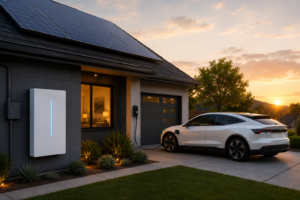
However, it’s important to note that solar panels alone won’t keep your power on during an outage—you need a battery system to store excess energy and separate from the grid. With a solar-plus-battery setup, you can produce and store your own power, keeping the lights on even when the grid goes down. This level of control is incredibly appealing for those who don’t want to be at the mercy of electric companies or unpredictable blackouts.
2. Protection Against Inflation and Rising Energy Costs
The cost of electricity has steadily increased over the years, and there’s no sign of it stopping. Utility rates rise due to inflation, fuel price fluctuations, and policy changes, often leaving homeowners frustrated with unexpected bill hikes.
Solar provides a hedge against these rising costs. Even if a homeowner doesn’t immediately save money, locking in their energy costs at a fixed rate shields them from the unpredictability of utility companies. Over time, this protection will lead to significant financial benefits, ensuring long-term savings regardless of how much grid electricity prices rise.
3. Environmental Impact: Reducing Carbon Footprints
While saving money is great, many homeowners go solar because they care about reducing their environmental impact. Unlike fossil fuel-generated electricity, solar energy is clean and renewable. Every kilowatt-hour (kWh) of solar power produced reduces greenhouse gas emissions, helping combat climate change.
For eco-conscious homeowners, investing in solar panels is about aligning their lifestyle with their values. It’s an active way to reduce dependence on polluting energy sources and contribute to a healthier planet for future generations.
4. Home Resilience in the Face of Extreme Weather
Natural disasters and extreme weather events are becoming more frequent and severe. Wildfires, hurricanes, heatwaves, and winter storms have all demonstrated the vulnerabilities of traditional power grids. In Texas, for example, the 2021 winter storm left millions without power, prompting many to seek alternative energy solutions.
With a battery backup system, solar allows homeowners to keep critical appliances running when the grid fails. This is particularly valuable for families with medical needs, home offices, or those simply wanting peace of mind during storms.
5. Advancing Technology and Future-Proofing
Solar technology is improving rapidly, making it an exciting time to invest. Homeowners who install solar panels today are getting more efficient and durable systems than ever before. Some people embrace solar not just for immediate benefits but as a way to future-proof their home and integrate with other smart home technologies.
With smart inverters, energy monitoring apps, and potential integrations with electric vehicles, solar isn’t just about cutting costs—it’s about being part of the future of energy.
6. Supporting Energy Innovation and Decentralization
Traditionally, energy production has been centralized, with large power plants generating electricity and distributing it across vast networks. This system, while effective, has significant inefficiencies and vulnerabilities.
By going solar, homeowners contribute to a more decentralized energy model. When more homes generate their own electricity, it reduces strain on the grid and creates a more resilient and adaptive energy system. Many solar adopters see their decision as part of a bigger movement toward smarter, more localized energy production.
7. Community and Social Influence
Believe it or not, many people go solar because their neighbors do. Solar adoption often spreads through word-of-mouth and social influence. When one home in a neighborhood installs solar panels, others take notice and start considering it for themselves.
There’s also an aspect of social responsibility—some homeowners feel that by going solar, they set an example for their community. They want to encourage sustainable choices among their peers and create a ripple effect of environmental consciousness.
8. Government Incentives and Policies
While not as emotionally driven as other motivations, government policies and incentives also play a role in why people go solar beyond immediate savings. The federal solar tax credit (ITC) allows homeowners to deduct a significant portion of their solar costs from their taxes. Some states and local governments also offer rebates, performance-based incentives, or solar renewable energy credits (SRECs).
For some homeowners, the availability of these incentives means that even if they don’t see immediate savings, they recognize that they’re taking advantage of a financial opportunity that will ultimately provide long-term economic benefits.
9. The Feeling of Powering Your Home with the Sun
Let’s be honest—there’s something incredible about literally powering your home with the sun. There’s a sense of independence, empowerment, and even excitement in knowing that your home’s energy comes directly from a natural, renewable source.
For many, solar energy is a statement. It signals innovation, forward-thinking, and a commitment to clean energy. It’s a high-tech upgrade that differentiates their home from others, similar to driving an electric car or having a smart home system.
10. Long-Term Investment and Legacy
Finally, many homeowners view solar as a long-term investment. Even if it takes years to see financial savings, solar panels increase property value and make homes more attractive to future buyers. Some people install solar with the mindset of leaving a sustainable legacy for their children or ensuring their home remains valuable in a world increasingly focused on clean energy.
For those thinking ahead, solar isn’t just about today’s benefits—it’s about creating a future-proof home and leaving behind something meaningful.
Final Thoughts: More Than Just a Money-Saving Tool
While the financial savings of solar energy are undeniable, they are not the sole or even the primary motivation for many homeowners. Energy independence, inflation protection, environmental stewardship, resilience, technological innovation, and the sheer satisfaction of powering your home with the sun all play a role in why people choose to go solar.
If you’re considering solar, don’t just think about whether it will save you money right away. Consider the bigger picture: What kind of energy future do you want to be part of? What values do you want your home to reflect? When you look at the deeper reasons for going solar, it becomes clear that the benefits will extend far beyond just the numbers on your electricity bill.
Are you ready to explore how solar fits into your long-term goals? Contact Eagle Mountain Solar today for a consultation and take the first step toward energy independence!