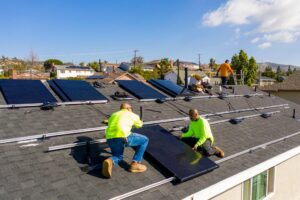
As the world shifts towards renewable energy sources, more homeowners are considering the benefits of going solar. Solar energy offers a clean, sustainable, and cost-effective alternative to traditional energy sources. This comprehensive guide will walk you through the steps and process of going solar, helping you make an informed decision and optimize your home’s energy efficiency.
1. Assess Your Home’s Solar Potential
Before diving into the solar installation process, it’s crucial to determine if your home is a good candidate for solar panels. This is where a solar consultant will help you. You can set up a free consultation with us here. Here are the key factors to consider:
- Roof Condition and Orientation: Ensure your roof is in good condition and has a lifespan of at least 15-20 years. South-facing roofs typically receive the most sunlight, but east and west orientations can also work.
- Sunlight Exposure: Assess the amount of sunlight your roof receives throughout the day. Shading from trees, buildings, or other obstructions can impact the efficiency of your solar panels. This can be done with a sun study software.
- Energy Bill: See what your annual kwh consumption is and give it to a solar consultant to determine what size system you will need.
- Local Climate: While solar panels can generate electricity in various climates, areas with more sunlight will yield higher energy production. Certain states are simply better for solar than others but you may be surprised how some states can still work.
2. Explore Solar Incentives and Financing Options
Investing in solar panels can be costly upfront, but numerous incentives and financing options can make it more affordable:
- Federal Tax Credit: The Federal Investment Tax Credit (ITC) allows you to deduct a significant percentage of your solar installation costs from your federal taxes.
- State and Local Incentives: Many states and municipalities offer additional rebates, tax credits, and incentives. Check the Database of State Incentives for Renewables & Efficiency (DSIRE) for specific programs in your area.
- Solar Loans and Leases: Consider financing options like solar loans, leases, or Power Purchase Agreements (PPAs) to spread out the costs over time.
3. Choose a Reputable Solar Installer
Selecting the right solar installer is critical to the success of your solar project. Here’s how to find a reputable company:
- Research and Reviews: Look for solar companies with positive customer reviews, industry certifications, and a solid track record of successful installations.
- Check Licenses and Certifications: Ensure the installer is licensed, insured, and certified by organizations like the North American Board of Certified Energy Practitioners (NABCEP).
Here at Eagle Mountain Solar, we are partnered with Powur, a certified B Corporation, A+ on the BBB, and #43 on the Inc.5000 fastest growing companies. Learn more here.
4. Design Your Solar System
Work with your chosen installer to design a solar system tailored to your home’s needs:
- System Size: Determine the size of the system based on your energy consumption and the available roof space. Most residential systems range from 5 kW to 15 kW.
- Panel Type and Efficiency: Choose between monocrystalline, polycrystalline, or thin-film panels based on efficiency, cost, and aesthetic preferences.
- Inverter Type: Select the right inverter (string, microinverter, or power optimizer) to convert the DC electricity generated by the panels into usable AC electricity for your home.
5. Sign Paperwork and Conduct a Site Survey
- Once you sign financing and installer paperwork, you will have a site survey to confirm the home qualifies.
- Here they will inspect the roof, electrical system, and take measurements to ensure no changes need to be made to the original design.
6. Secure Permits and Approvals
Before installation, you’ll need to obtain the necessary permits and approvals:
- Building Permits: Your installer will typically handle the paperwork for building permits required by your local jurisdiction.
- Utility Approval: Your installer should coordinate with your utility company to ensure your solar system complies with grid interconnection standards.
- HOA Approval (if applicable): Most HOA’s have no legal power to deny your solar installation though some have preferences on where the panels are placed.
7. Install Your Solar Panels
The installation process involves several key steps:
- Roof Preparation: Your roof is inspected and prepared for installation. This may include reinforcing the roof structure if needed.
- Mounting the Panels: Racking systems are installed to mount the solar panels securely to your roof.
- Electrical Wiring: The panels are connected to the inverter and the electrical panel of your home.
- System Testing: The installer tests the system to ensure it operates correctly and safely.
8. Inspection and Interconnection
After installation, your solar system must pass inspections and be connected to the grid:
- Local Inspection: A local building inspector will check the installation to ensure it meets all code requirements.
- Utility Interconnection: Your utility company will inspect and approve the system for interconnection, allowing you to start generating electricity and receive credit for any excess power sent back to the grid.
9. Monitor and Maintain Your Solar System
Once your solar panels are up and running, it’s important to monitor and maintain them for optimal performance:
- Monitoring System: Many solar systems come with monitoring software that lets you track energy production and consumption in real-time.
- Regular Maintenance: Keep your panels clean and free of debris, and schedule periodic inspections to ensure all components are functioning properly.
10. Enjoy the Benefits of Solar Energy
By going solar, you can enjoy numerous benefits:
- Reduced Energy Bills: Generate your own electricity and reduce or eliminate your monthly energy bills.
- Environmental Impact: Lower your carbon footprint by using clean, renewable energy.
- Increased Home Value: Solar panels can increase the value of your home and make it more attractive to potential buyers.
Going solar is a smart investment that can save you money, reduce your environmental impact, and increase your home’s value. By following these steps, you can navigate the process smoothly and make the most of solar energy. Start by assessing your home’s solar potential, exploring incentives and financing options, and choosing a reputable installer. With careful planning and the right support, you’ll be on your way to a greener, more sustainable future.
If you would like to work with one of our consultants, fill out this brief form here and we will be in contact!
By incorporating these steps into your solar journey, you can ensure a successful transition to renewable energy and enjoy the long-term benefits of solar power.
Keywords: going solar, solar energy, solar installation, solar panels, renewable energy, solar incentives, solar financing, solar installer, residential solar, solar system design, solar maintenance
Photo by Kelly on Pexels.com| |